
A gourd replete with ten thousand wonders
Call me igba, ugba, wamdé of the Yoruba, Igbo, and Mooré. Call me flè and call me k’warya of the Bambara and the Hausa. Call me fayafa, multiplier of the Batammaliba. Call me first through twenty-third of my Fulani epithets. Call me Lagenaria siceraria, long melon, and gourd – bottle, birdhouse, and white-flowered.
To youth, I am nature’s hue: light green skin, with whitest pulp and skin smoothed. To age, I am orange, and after the sun’s attendance I am hardened and I am thickened and I am wizened, so that my desiccation supports the whims of human utility. To geological time and the archaeology of man, I am an elder of antiquity. To the archaeology of reputation, I am four thousand years in the making, present in the beginning and one of the first to be cultivated by the hands of man’s ancestors, not purely for want of my fruit, but quite simply for my penchant for containing, because I am a church of potentiality, because I embody the multiplicity of the African spirit, and because my meanings propagate my uses which propagate further meaning.
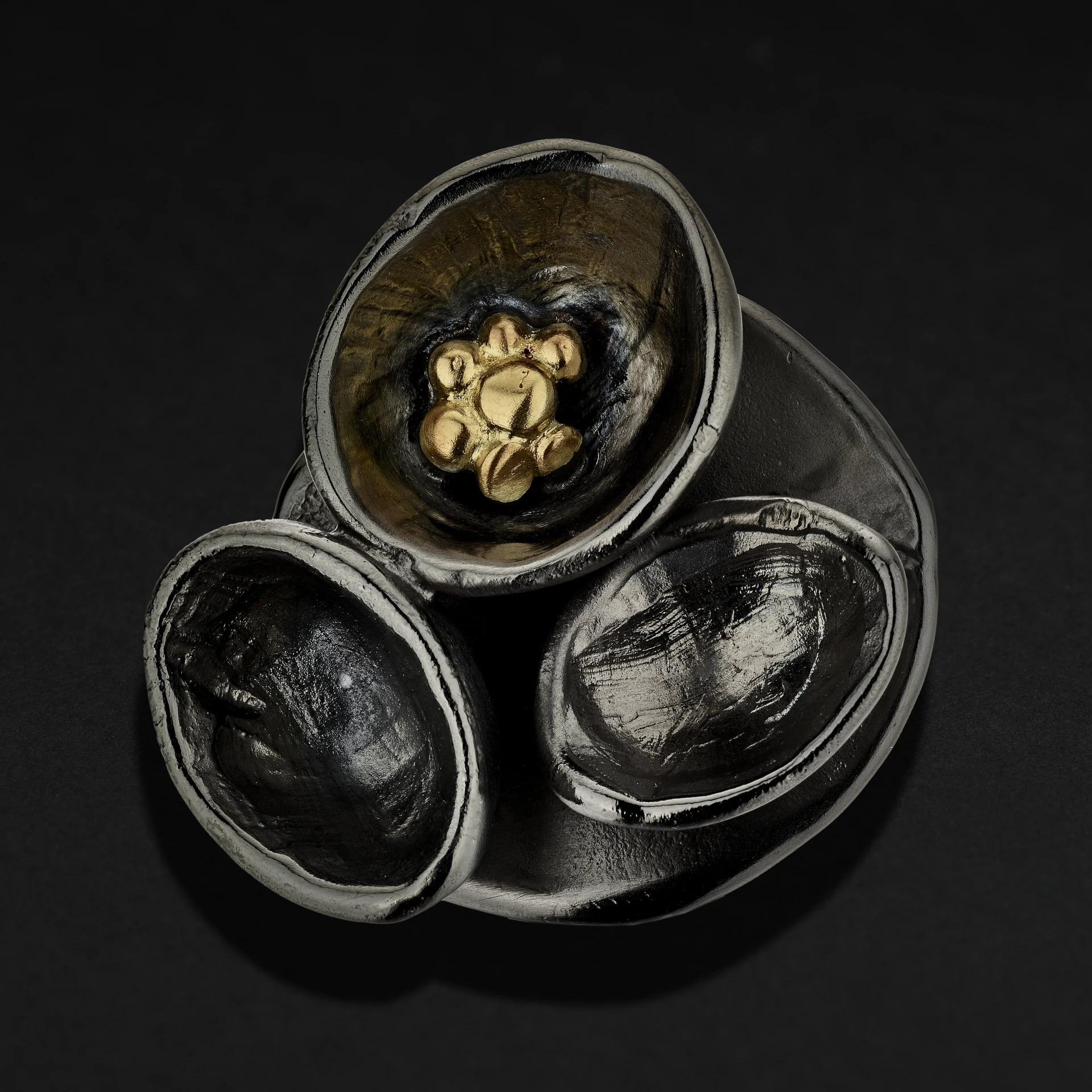
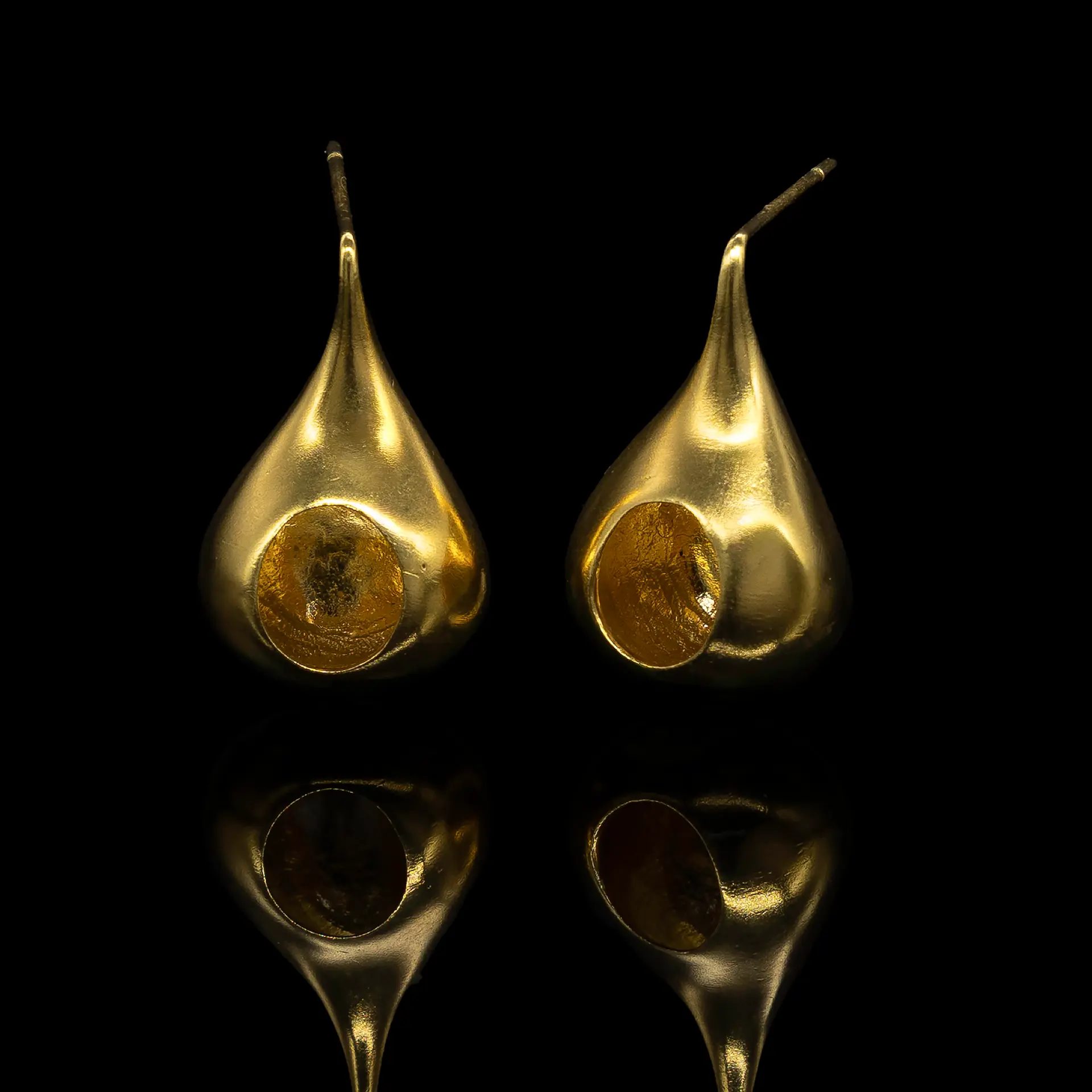
To the musician, I give of myself bodily: transform me with animal hides, beads, and string! So that the ones called shekere of the Yoruba, axatse of the Ewe, and djabara of the women of Guinea, crowned in beads, slapped, and shaken, will be accompanied by the goje, a Hausa name for a form of mine close to the violin. Let the griot’s tales and histories find accompaniment in the harp-lute kora of twenty-one strings and let the griots also be xalamkats: that being, players of the five, four, three, two, and one stringed xalam, an African analog of the lute. Let the largest among me work to amplify the percussive music of the bala, which can be likened to the marimba, and their smaller counterparts work to amplify the bala’s little twin, the balani.
To the priests and the healers, I am ritual. I form a nexus with the spirits and the ancestors, I bind their realm to ours, and brew elixirs of essence and magic. To the religious traditionalists and the preachers who mark me with powered engravings, I am an agent of wizardry, a facilitator of sorcery, for in me they do their spell-working, through me female bellies quicken and girls are initiated, gentle, graceful, and gasping, into the cult of womanhood.
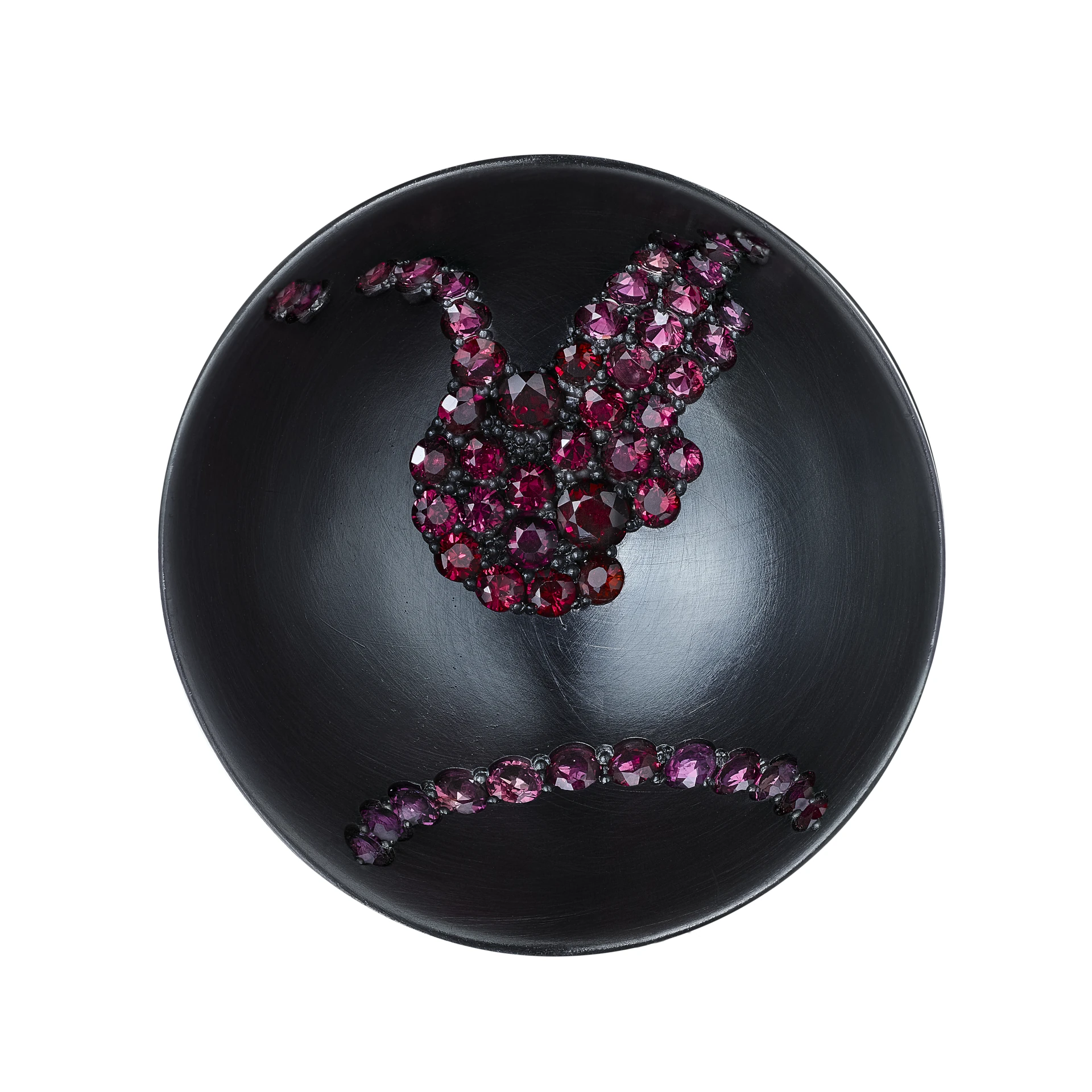
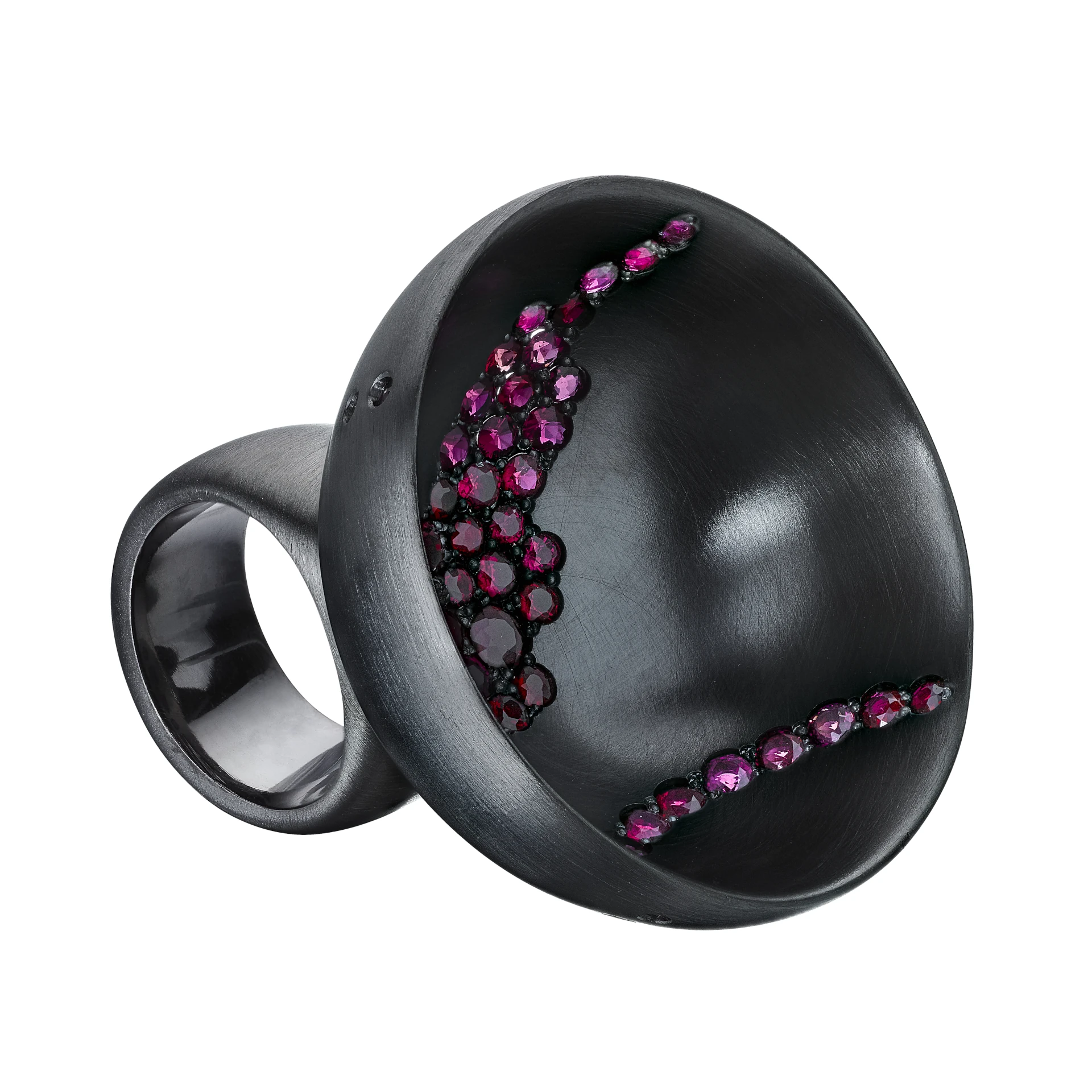
If to enchanters, I am ritual, then to ritual, I am the unfettered female form. And to this form, the female body, the chalice, I am emblematic of the uterine font of life; I am a metaphor for women as complete containers of their own womanhood, no external input required. Just as there is violence in the way my neck balloons into my lush lower basin, there is quiet inherent violence in femininity – in birthing progeny, in being a receiver, and in fighting to become and be a woman in the way every individual woman needs. I am all of the morphologies, all of the iterations. I am life-giving, lushness, ripeness. I am a mighty riposte to the premise that women are not beings of power. I am flattened, oblong, elongated, rounded, serpentine, and slim. I encompass all of the morphologies, all of the iterations, but where my function is often at the behest of others, a woman’s function should always be her own. To a woman’s body, I am a mirror, and in both our reflections, I find potency to be present.
To the peoples of West Africa, I am pervasive in daily life: to the community, I am a marker of their communion. To the Fulani woman, I am décor prettifying her wedding. To the Kabawa fisherman, I am a buoy. To the Bambara, I am untrustworthy upon fragmentation, and it is these fragments that adorn the necks of their liars. To the Hausa, I parse sweet-truth from bitter-falsehood, I am paired matching halves, I embody like follows like. Because I am revered, my life cycle forms a circle as opposed to a line, and I am patched, and hewn together, and patched again upon breaking. To death, I am its conqueror, as when I am returned to the Earth, she rejoices at the reunion, and I become what I have always and will always be, living Earth.
To the spiritualists, my bounds are the bounds of the universe. Like the chief Yoruba goddess Oduduwa, and her hearth, the very Earth, which absorbs pollutants and sickens with them for love of her inhabitants, the sweeping breadth of my basin traps negative energy and draws the foul essence in. To Oduduwa of Ife, Blind and Most Just Queen, I can only hope to represent femaleness – abo – and the primeval waters in the womb of the physical word – aye. And to her husband, Great Obatala of the Firmament, I can only hope that my stem represents maleness – ako – and the rarefied skies which know themselves to be the domain of spirits invisible – isalorun. These two halves of me, held steady and balanced by the mysterious force of ase, mean that I am the star around which the sun revolves; I make a tide of the moon; I blow the wind and cause it to stir; I burn fire, for it is my oxygen; I precipitate on rain and hydrate it; I am the flow and the river; I am the life in living things and the inanimate in non-living ones. I am the primordial blueprint used by Kuiye, the Batammaliba god who made both Earth and mankind after me. I am the basis of the layered Fulani sky. And at my seam, where my two halves join, I am the Hausa horizon.
Hear me! Mark me! Call me rice cleaner! Call me marionette! Call me muse to gods and planetary bodies! To the Ewe, I offer to be a sounding board for grief. To the mothers of Batammaliba children, my brokenness is a plaque for the unthinkable. To Emefa Cole, she who designed gemmed adornments in the image of this brokenness – black rhodium-plated silver for my body, Thai Rubies for my fault lines – I am her own unfettered feminine form, a woman’s choice to choose her function and savour her frame. Who am I but that most famed and ancient fruit, so named mighty Calabash, lauded Calabash, faithful, forthright Calabash: begotten of the ground and of the vine, capable of ten thousand wonders, the one who can be no-one else but everything; nothing less than universal? Who am I to Africans but an esteemed preserve of their culture and their heritage?